Friday, July 22, 2011

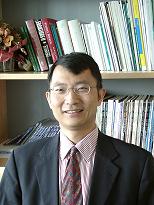
Engineering Professor Janet Blume Named Associate Dean of the Faculty

Brown University Dean of the Faculty Kevin McLaughlin has announced that Associate Professor of Engineering Janet Blume has been appointed as associate dean of the faculty for the academic year 2011-12.
“I wanted to congratulate Janet Blume for this wonderful appointment, which is a well deserved recognition of her many contributions to Brown throughout her career,” said Larry Larson, Dean of the School of Engineering. “It is great to know that her remarkable effectiveness and enthusiasm will be assisting the Dean of Faculty in the coming year.”
Blume, whose research is in mathematical aspects of the mechanics of solids, has been on the faculty at Brown since 1986. She teaches courses at all levels in engineering, including the introductory first-year course, and has served as director of undergraduate programs in the School of Engineering. 
 Blume's contributions have been recognized with the Philip J. Bray medal for Excellence in Teaching in the Physical Sciences (1997), the Tau Beta Pi School of Engineering Dedicated
Faculty Member Award (2009), and the Karen T. Romer Prize for Excellence in Advising (2011). 
Blume graduated magna cum laude with a bachelor of science degree in engineering from Princeton (1982), and holds a Ph.D. in applied mechanics from Caltech (1986). She will begin her work in the Office of the Dean of the Faculty effective August 1.

Thursday, July 21, 2011

Brown Alumna Builds Miniscule Medical Implants to Treat Diseases

Brown engineering alumna and UCSF bioengineer Tejal Desai builds medical implants – with parts as tiny as human cells – that may be used to treat diabetes, kidney failure and other diseases.

As a Santa Barbara high school student, Tejal Desai got a kick out of making things work. Her father was a chemical engineer, and she thought she knew what engineering was all about.


So, she was startled when a bioengineer visited her class and told the students about research to develop artificial organs and implants.

“I was very excited. I had always thought that engineering was about building bridges and mechanical devices. I didn’t know you could use it to help people.”

The class visit was part of a national program to encourage girls to pursue engineering careers. The revelation about artificial organs started Desai on two paths. She not only became a bioengineer, but also an outspoken advocate for young women entering science and engineering fields.

“Because I was so influenced by that program myself, I’ve always had an interest in mentoring girls of various backgrounds who are interested in science and engineering careers," she said. "I hope that if you can encourage them and make them enthusiastic, it will help them continue. It’s something I believe in.”

As a bioengineering undergraduate at Brown University, Desai (Class of '94) also studied sociology and political science, and after college, she played an active – even activist – role in urging her alma mater to assure that female students and faculty had full opportunity to pursue the sciences and engineering. She ended up writing a 100-page document outlining admission policy changes that would encourage more student and faculty diversity in these fields.

Her other path has led her to develop new ways to make implantable medical devices so small that their individual parts are the size of human cells. Such minuscule implants can overcome the limitations of conventional therapy to treat diabetes, kidney failure and other debilitating diseases.

The new tiny-focused technology ironically goes by a very long name: biomedical micro-electro-mechanical systems (bio MEMS). "Micro" refers to sizes that are thousandths of a millimeter, the size of a human cell. The technology now increasingly focuses on still smaller, "nano" scales – millionths of a millimeter.

Desai directs the Laboratory of Therapeutic and Micro and Nanotechnology at UCSF. Her lab has gained national attention for devising and demonstrating the feasibility of an implantable artificial pancreas to treat type 1 diabetes. People with type 1 diabetes cannot maintain healthy blood sugar levels because their immune systems attack and destroy their precious insulin-producing “beta cells” in the pancreas.

Even with frequent self-monitoring and injections of insulin, the blood sugar levels of those with type 1 diabetes spike and plummet, degrading the body’s crucial ability to regulate many metabolic functions. Though self-treatment is fairly effective in the short-run, type 1 diabetes, if left untreated, can ultimately lead to cardiac complications, poor circulation that threatens limbs, and generally, a shorter life span.

Desai conceived of a kind of micro/nano-scale cage, to protect beta cells in the body. The cage, or biocapsule, contains “nanopores” large enough to allow the vital beta cells to secrete insulin, but small enough to prevent the immune system’s molecular soldiers from entering and destroying the beta cells. The device could be implanted near the abdominal wall, or anywhere in the body where the cells are exposed to the body’s sugar levels.

Unlike self-administered insulin shots, an implantable device maintains and protects the body’s natural insulin control and allows normal regulation of the body’s metabolism. It is a cure.

The micro-parts are made of materials accepted by they body’s immune system, and are fabricated using the techniques developed by California’s microelectronics industry. Desai’s lab has already demonstrated in animals that the artificial pancreas device works as intended.

She expects that this technology could be of use for many other chronic, cell-based diseases, such as Parkinson’s, Alzheimer’s, hormone deficiencies – anywhere the body is unable to produce something it needs naturally, she said.

Desai earned her doctorate in the UC Berkeley and UCSF Graduate Program in Bioengineering – a collaboration between the two UC campuses that draws on Berkeley’s nationally recognized engineering expertise and UCSF’s equally recognized clinical research and treatment programs.

“We’ve always felt that we could be better together than either of us apart, and now it’s one of the highest ranked programs in bioengineering in the country,” she said.

Desai is an active member in two other productive collaborations – UCSF’s bioengineering and therapeutic sciences department, and the California Institute for Quantitative Biosciences, or QB3, which links UC Berkeley, UCSF and UC Santa Cruz scientists with counterparts in the biomedical and biotech industries. The network meets one of Desai’s major goals: Speeding the advance of university discoveries into clinical trials and the real world of patient care.

“The goal of all of this is to help people,” she says.

(See more about Desai’s research and UCSF’s “What’s Next in Science” series.)

Teaming with industry

Desai’s insulin delivery research is only one of several potential therapies her team is working on. Some projects receive partial funding from companies eager to translate life-saving innovations into treatments and products. One promising effort aims to deliver drugs directly to the intestines to treat disorders such as colitis and irritable bowel syndrome.

Desai’s team is creating a kind of microscopic “band aid” so small that hundreds of them can be placed in a normal-sized pill. Each strip is as wide as a human hair. Once ingested, these strips will travel to the small intestine, stick to the intestinal wall and deliver medicine. They contain nano-scale drug reservoirs, as well as projections that create a textured surface that can stick to the body’s cells.

Because of the extraordinarily small scale, the projections mechanically interact with intestinal wall cells, and deliver drugs into openings between the cells. There they remain for at least several hours, providing much-needed medication before they are sloughed off.

Desai’s lab is supported in this research by a company called Zcube srl through a sponsored research agreement aimed to help speed such novel treatments into medical practice. Such collaborations are central to QB3, one of four such institutes throughout the UC system, founded 10 years ago to foster research alliances among different UC campuses and with industry.

Some of Desai’s former students have launched a startup company called Nano Precision Medical that is developing devices such as an implantable drug-delivery pump to treat hepatitis C and other chronic diseases. (See video.) The company is starting its life in the QB3 “garage” on the Berkeley campus. It is one of two QB3 startup incubators – the other is at UCSF’s Mission Bay campus – to support the very early stages of promising new biomedical and biotech innovations.

by  Wallace Ravven

Photo by Elisabeth Fall

Wednesday, July 20, 2011

Four Brown Women Engineering Undergrads Coordinate Free Camp for High School Girls

Amanda Kautz ’12, Natalie Serrino ’12, Farzanah Ausaluth ’14, and Lizzie Costa ’14, are spending their summer helping inspire future female engineers. The four women, all undergraduate engineering concentrators at Brown are all coordinators for Spira, a free, four week summer camp for rising tenth grade girls interested in engineering. It is run through Brown University and taught by these four women. Associate professor and director of undergraduate programs Janet Blume has been the advisor to the group.

Kautz is a civil engineering concentrator from Los Angeles, while Serrino is a computer engineering concentrator from Chicago. The rising sophomore Ausaluth also plans to concentrate in civil engineering and is from London, while Costa grew up in East Providence, R.I., and will study biomedical engineering.

Spira Engineering Camp aims to inspire the next generation of female engineers by providing a community in which young women with similar interests can be exposed to math, science, and technology in a hands-on, team-based environment. They are able to learn the real world applications of engineering and how they can make a difference in a typically male-dominated field. The goal is for Spira participants to gain confidence in their abilities and to be motivated to pursue math and science in their future studies and careers.

The 18 tenth grade girls, who attend eight different public and private high schools in the greater Providence area, have been able to
learn about math and science while completing fun, hands-on, team-based engineering design projects. The camp runs from July 5-29 at Brown.

One of the recent projects the teams worked on was a balsa wood bridge project. In this case, teams of two or three girls applied their recently acquired knowledge of buckling, arches, triangles, trusses, and bridge design to create a bridge made of balsa wood. The bridge is then weighed and tested for strength by attaching a bucket to the bridge and filling the bucket of sand until the point of failure. The winning bridge is the one with the greatest strength to weight ratio.

Kautz and Serrino had the initial vision for Spira. They were inspired to create the program based on the success and logistics of the Artemis Project, a
free, five-week summer day camp for rising ninth grade girls in the Providence area who are interested in learning about computer science and technology run by Brown’s computer science department. Artemis has been running at Brown since 1996.

Kautz and Serrino applied for and received funding for Spira from
the National Science Foundation (NSF) through Brown’s Materials Research Science and Engineering Center (MRSEC). The camp is free for the students and lunch is provided. For those students who need transportation, RIPTA bus passes are provided.

Ausaluth and Costa were recruited as coordinators in the fall and since that time all four have shared equal responsibility in planning and running the camp.

Tuesday, July 12, 2011

Brown Engineering Graduate Student Wins NASA Jenkins Fellowship

Eduardo Almeida ScM’10, a Ph.D. student in electrical engineering at Brown University, has been selected to receive a 2011 NASA Harriett G. Jenkins Pre-doctoral Fellowship Project (JPFP) award. The JPFP is sponsored by the National Aeronautics and Space Administration (NASA), and administered by the UNCF Special Programs Corporation (UNCFSP).

As a NASA JPFP fellow, Almeida will receive up to three years of stipend and tuition offset support as he pursues his graduate education. Ph.D. level fellows receive annual stipends of $24,000.

He has been assigned to the Jet Propulsion Laboratory (JPL) and his tenure will begin on September 1, 2011, under the supervision of his NASA mentor, Curtis Padgett. Almeida will also be required to spend 10 weeks each summer working with Padgett at JPL during the fellowship.

Almeida is currently pursuing a Ph.D. degree in the School of Engineering at Brown University under the supervision of Professor David Cooper. During the course of his graduate studies, he received a dual master of science degree in engineering and applied mathematics in 2010. His interests are computer vision, machine learning and pattern recognition. His research at Brown involves 3D surface reconstruction, probabilistic 3D scene understanding and automatic change detection from arbitrary viewpoints and under arbitrary illumination.

In addition, Almeida worked in collaboration with NASA through summer internships at the Jet Propulsion Laboratory in Pasadena, California, in 2009 and 2010. The center develops and manages spacecrafts for interplanetary exploration, such as the Mars Rovers. At NASA/JPL, the group Almeida worked on conducts research and development of algorithms for automatic data interpretation from a variety of imaging sensors. Almeida worked on two projects: i) developing an automated 3D terrain generation process from aerial images (summer 2009); ii) performing refinement of zoom lens camera calibration with unknown and time varying internal camera parameters (summer 2010). The summer internships efforts resulted in a software award and a certificate of recognition from NASA Inventions and Contributions Board.

In addition to his NASA Jenkins Fellowship (JPFP 2011), Almeida was a NASA Rhode Island Space Grant Fellow (RISG 2009-10), and is a member of the IEEE.  The RISG fellowship was a key element supporting the pursuit of his goals of combining engineering and applied mathematics skills in solving real-world problems through JPL. As a RISG fellow and JPL intern, Almeida had the opportunity to network with NASA scientists and to develop tools that helped the engineers on proposed missions. Furthermore, he has shared his experiences with local RI elementary and middle schools through community outreach motivating young scientists to also pursue their dreams.

Before coming to Brown, Almeida graduated magna cum laude from Federal University of Ceara (Brazil) in 2004 with bachelor of science degree in electrical engineering and was a master’s student at Federal University of Santa Catarina (Brazil) where he took several graduate level courses with focus on signal processing. At that time, Almeida’s studies were sponsored by the Brazilian National Research Council, CNPq.

Monday, June 13, 2011

Brown alumnus Glenn Donovan ScM'09 Wins Arthur S. Flemming Award

Brown engineering alumnus Glenn Donovan ScM '09 won a prestigious award for creating a cutting-edge navigation system for autonomous underwater vehicles (AUVs)


BRISTOL, R.I.—Three torpedo-like vessels lay in sections on wheeled carts inside a security-tight warehouse in Newport, tagged with the words “Property of the Naval Undersea Warfare Center — if found please return,” in case the vessels get lost during underwater trials. But, if the navigation system developed by NUWC engineer Glenn T. Donovan of Bristol continues to perform as it has, these vessels will become property of the U.S. Navy.

In engineering circles, Mr. Donovan has developed a technology so cutting-edge he received the 2010 Arthur S. Flemming Award for Applied Science, Engineering and Mathematics, presented for excellence in the federal service by the Arthur S. Flemming Awards Commission and George Washington University.

For NUWC, which has been developing military weapons and systems for 140 years, Mr. Donovan is the first employee to receive the award. It’s an achievement he accepts with honor and humility, placing the importance of his work on how it will help the soldiers who use it.

“I was caught off-guard,” Mr. Donovan said of the award. “I didn’t expect it.”

Mr. Donovan holds a bachelor’s in electrical engineering from Worcester Polytechnic Institute and a master’s in engineering from Brown University. During his graduate studies, he worked in robotics, using technology similar to autonomous systems used in military applications.

He began working in the Autonomous and Defensive System Department at NUWC, on autonomous underwater vehicles (unmanned AUVs) used by the military to collect data or complete other missions. First, he worked in systems maintenance for NUWC’s Manta program, an earlier version of the Navy’s unmanned vehicle efforts, terminated due to its size and difficulty to transport. Then he began work in 2002 on efforts to make AUVs more autonomous and undetectable. His new navigational tool would replace the reliance on a global positioning system (GPS).

“Once the vehicle is underwater, the signal can’t reach the satellite,” said Mr. Donovan. In order to communicate, it has to surface, making it susceptible to discovery and interception. “The big challenge is to be unseen.” The problem he faced, he said was, “How could it find its way without surfacing?”

In order to accomplish this, the AUVs need two things: an adequate power supply to keep them moving, and the ability to keep them on course over greater distances.

Using mathematics and map-matching, Mr. Donovan assembled a new system. With maps of the sea floor, he converted the terrain into mathematical data points and programmed it into an on-board computer. Sensors that measure the speed of the AUV, along with its elevation and direction, provide additional data to calculate bearings as it moves through the water. Comparing algorithmic equations against data collected from sensors, the technology developed by Mr. Donovan pinpoints the AUV through its last-known location and where it thinks it is based on sensory data. If the system’s algorithms and sensor calculations cannot agree on the vehicle’s coordinates and location, it is designed to shut itself down. The AUV will rise to the surface and activate the GPS backup to validate its location, before plunging back under and resuming its mission.

“New information is collected and calculated every 5 or 10 seconds,” said Mr. Donovan, depending on the speed of the AUV.


The navigation system developed by Mr. Donovan, called Inertial Navigation System Position Error Correction (INSPEC), will allow AUVs to stay underwater for longer periods without getting lost. He’s spent the last eight years developing the system. AUVs equipped with his INSPEC design have completed test missions, some lasting 24 hours, and everything is looking good. “We haven’t lost any so far,” he said.


“The real goal of the AUVs is they can go into areas where submarines can’t,” he said.

At 12 feet long, the AUVs tested with the INSPEC system can easily slip into shallow waters, where manned vehicles can’t go or might be easily detected because of their size. While the AUV being used in the testing is about twice the length of a man, the INSPEC navigation system is small enough to fit into the slot of a toaster and can be used on AUVs of varying sizes, simply by adjusting some calculations. The INSPEC system can be used on a variety of unmanned vehicles that have all sorts of purposes, Mr. Donovan said.

“AUVs are huge right now,” according to John H. Woodhouse Jr., a NUWC communications specialist, referring to the popularity of the unmanned concept. “Anything we do is going to have a huge interest.” Recognizing the potential impact the INSPEC system will have on AUVs, Mr. Woodhouse said the navigation tool may also have commercial and academic interest.


Mr. Donovan sees his civilian efforts as a bridge to the enlisted men and women who will benefit from his work.


“I view what I do as working for them,” he said. While INSPEC is still considered a prototype, the testing success has promise that “it is something that they can actually use,” he said.


As he continues work on the prototype design, his objective is to expand an AUV’s capability to navigate for days or weeks — work that military officials are watching closely.


Mr. Donovan received his award, along with other 2010 recipients recognized for their service in a variety of disciplines, at a ceremony on June 6 in Washington, D.C.


- by Eric Dickervitz/East Bay Newspapers

Wednesday, June 8, 2011

Erik Taylor PhD’13 Receives Fulbright Fellowship to India

Erik Taylor PhD ’13, a biomedical engineering graduate student at Brown University, has been selected for a Fulbright Fellowship. He will conduct research on anti-infection strategies in Mumbai, India, for six to nine months with Dr. Rinti Banerjee from IIT-Bombay through the Indo-U.S. Center for Biomaterials for Healthcare, co-directed by professors Bikram Basu and Thomas Webster.

The title of his project is, “Lipid Nanoparticles for the Treatment of Hospital Acquired Infections”. Medical devices are the standard of care in the United States, and internationally, to improve healthcare. Yet, as the use these devices increases, so does the chance of device related infections (DRI). It is the purpose of this study to apply knowledge of nanotechnology towards a novel therapy for DRI.

On a previous internship to IIT-Bombay, Taylor found in collaboration with Dr. Banerjee that a biocompatible lipid nanoparticle was promising method to treat resistant infections.  Additionally, commercial resources were realized with Piramal Life Sciences, a Mumbai based biotechnology company, and Dr. Arun Balakrishnan. It will be the goal of this fellowship to further develop these efforts towards treatment of infections.

The Fulbright Program, the U.S. Government’s flagship international exchange program, is designed to increase mutual understanding between the people of the United States and the people of other countries. The Fulbright Program has provided approximately 294,000 participants —chosen for their academic merit and leadership potential — with the opportunity to study, teach and conduct research.

The Fulbright Program operates in more than 155 countries worldwide, and approximately 7,500 grants are awarded annually.

The Program was established by the U.S. Congress in 1946 under legislation introduced by the late Senator J. William Fulbright of Arkansas. It is sponsored by the U.S. Department of State’s Bureau of Educational and Cultural Affairs.           

The term "Fulbright Program" encompasses a variety of exchange programs.  For further information, please visit http://fulbright.state.gov/.

Wednesday, June 1, 2011

Lei Yang wins Award from Chinese Government

Lei Yang, a Brown University engineering graduate student from China was honored by his government on Friday, May 27. Yang received the Chinese Government Award for Outstanding Self-Financed Students Abroad at a ceremony at the Chinese consulate in New York. Yang is one of 506 Chinese graduate students in 29 nations to win the award, which includes $5,000 and a certificate from the China Scholarship Council. Yang graduated this weekend with a doctorate in materials engineering. He studied under School of Engineering faculty members Brian Sheldon and Thomas Webster. 

While at Brown, he has been part of 13 peer-reviewed papers, published several book chapters, given more than 24 conference presentations and has won the most prestigious awards in the biomaterials’ field, according to Webster. “Such credentials are truly outstanding and should be entirely attributed to him and the values he learned as a student in China,” said Webster, who was invited to speak at the ceremony.

Tuesday, May 24, 2011

Brown Engineering researchers create nanopatch for the heart

Engineers at Brown University and in India have a promising new approach to treating heart-attack victims. The researchers created a nanopatch with carbon nanofibers and a polymer. In laboratory tests, natural heart-tissue cell density on the nanoscaffold was six times greater than the control sample, while neuron density had doubled. Results are published in Acta Biomaterialia. 
PROVIDENCE, R.I. [Brown University] — When you suffer a heart attack, a part of your heart dies. Nerve cells in the heart's  wall and a special class of cells that spontaneously expand and contract – keeping the heart beating in perfect synchronicity – are lost forever. Surgeons can’t repair the affected area. It’s as if when confronted with a road riddled with potholes, you abandon what’s there and build a new road instead.
Needless to say, this is a grossly inefficient way to treat arguably the single most important organ in the human body. The best approach would be to figure out how to resuscitate the deadened area, and in this quest, a group of researchers at Brown University and in India may have an answer.
The scientists turned to nanotechnology. In a lab, they built a scaffold-looking structure consisting of carbon nanofibers and a government-approved polymer. Tests showed the synthetic nanopatch regenerated natural heart tissue cells ­– called cardiomyocytes – as well as neurons. In short, the tests showed that a dead region of the heart can be brought back to life.
“This whole idea is to put something where dead tissue is to help regenerate it, so that you eventually have a healthy heart,” said David Stout, a graduate student in the School of Engineering at Brown and the lead author of the paper published in Acta Biomaterialia.
David Stout, engineering graduate student at Brown UniversityThe approach, if successful, would help millions of people. In 2009, some 785,000 Americans suffered a new heart attack linked to weakness caused by the scarred cardiac muscle from a previous heart attack, according to the American Heart Association. Just as ominously, a third of women and a fifth of men who have experienced a heart attack will have another one within six years, the researchers added, citing the American Heart Association.
What is unique about the experiments at Brown and at the India Institute of Technology Kanpur is the engineers employed carbon nanofibers, helical-shaped tubes with diameters between 60 and 200 nanometers. The carbon nanofibers work well because they are excellent conductors of electrons, performing the kind of electrical connections the heart relies upon for keeping a steady beat. The researchers stitched the nanofibers together using a poly lactic-co-glycolic acid polymer to form a mesh about 22 millimeters long and 15 microns thick and resembling “a black Band Aid,” Stout said. They laid the mesh on a glass substrate to test whether cardiomyocytes would colonize the surface and grow more cells.
In tests with the 200-nanometer-diameter carbon nanofibers seeded with cardiomyocytes, five times as many heart-tissue cells colonized the surface after four hours than with a control sample consisting of the polymer only. After five days, the density of the surface was six times greater than the control sample, the researchers reported. Neuron density had also doubled after four days, they added.
The scaffold works because it is elastic and durable, and can thus expand and contract much like heart tissue, said Thomas Webster, associate professor in engineering and orthopaedics at Brown and the corresponding author on the paper. It’s because of these properties and the carbon nanofibers that cardiomyocytes and neurons congregate on the scaffold and spawn new cells, in effect regenerating the area.
The scientists want to tweak the scaffold pattern to better mimic the electrical current of the heart, as well as build an in-vitro model to test how the material reacts to the heart’s voltage and beat regime. They also want to make sure the cardiomyocytes that grow on the scaffolds are endowed with the same abilities as other heart-tissue cells.
Bikramjit Basu at the India Institute of Technology Kanpur contributed to the paper. The Indo-U.S. Science and Technology Forum, the Hermann Foundation, the Indian Institute of Technology, Kanpur, the government of India and California State University funded the research.

Wednesday, May 11, 2011

General Motors to Provide $2 Million to Brown to Continue Collaborative Research Laboratory on Computational Materials Science for Next 5 Years

Providence, RI - General Motors will provide $2 million in funding to Brown to continue the GM/Brown Collaborative Research Laboratory on Computational Materials Science for the next five years. The laboratory for computational materials research at Brown University is one of several collaborative research laboratories General Motors has established worldwide to accelerate the pace of innovation in strategic technology areas. The GM/Brown collaboration has existed for about the past ten years.

The goal of the laboratory is to develop computer simulations that predict the mechanical properties of materials used in automotive applications, and to use these simulations to help General Motors to develop materials with enhanced performance.  The computations are guided and verified by experiments.  Over the next five years, the laboratory will continue to focus on the development of lightweight materials, an increasingly important topic for all automotive subsystems because it is a key enabler for developing more energy efficient products.

"The CRL is a unique opportunity for Brown students and faculty to work with one of the best industrial research labs in the world," said Allan Bower, co-director of the CRL.  "By partnering with GM, we can make sure that the latest advances in computer simulation of material behavior are being used to help reduce vehicle weight and improve fuel economy."

Notable achievements of the laboratory include the development of multi-scale simulation methods to predict the influence of chemical composition on the rate sensitivity of aluminum alloys; improved modeling of the behavior of aluminum during forming and of the microstructure evolution in aluminum-silicon alloys; development and experimental validation of computer simulation methods to predict constitutive behavior and microstructure evolution in aluminum alloys; and the development of wear resistant diamond coatings.

At Brown, the lab is led by professor Allan Bower (co-director) and at General Motors, the co-director is Mark Verbrugge. Together, the two co-directors plan the work of the Collaborative Research Lab.

For further information, please see http://www.engin.brown.edu/facilities/GM_CRL

Tuesday, May 10, 2011

The Most Influential Schools of Engineering on Twitter - Brown is No. 1

Which school of engineering has the most Klout? Engineering schools are tech-savvy, but which has the best managed Twitter account and is engaging with alumni, media and friends on Twitter. 

For the uninitiated, Klout score is a measurement of your overall online influence and ranges from 1 to 100. Klout uses over 35 variables to measure true reach (the size of your engaged audience), amplification probability (the likelihood that your messages will generate actions), and network score (how influential your engaged audience is).

Not surprisingly, some of the universities that top the academic rankings are also among the best at social media. Here’s the breakdown of the top ten:

1. 
 47 Brown University School of Engineering
2.  46 Stanford University Engineering 
3.  42 University of Wisconsin-Madison Engineering
4.  40 Iowa State University College of Engineering 
5.  40 Virginia Tech University Engineering
6.  39 University of Michigan Engineering 
7. 
 39 Olin College 
8.  38 Ohio State University Engineering 
9.  37 Harvard University School of Engineering and Applied Sciences
10.  37 University of Washington Engineering 


Monday, May 9, 2011

Professor Huajian Gao to Receive 2011 Charles Russ Richards Memorial Award from ASME


Huajian Gao, Walter H. Annenberg Professor of Engineering at Brown University,  has been selected to receive the 2011 Charles Russ Richards Memorial Award from the American Society of Mechanical Engineers (ASME) for outstanding achievements in mechanical engineering 20 years or more following graduation. Formal presentation of the award is scheduled to take place during the ASME International Mechanical Engineering Congress and Exposition, to be held in Denver, Colorado, from November 11-17, 2011.

The award, established in 1944 by Pi Tau Sigma in coordination with ASME, honors Charles Russ Richards, founder of Pi Tau Sigma at the University of Illinois, former head of mechanical engineering and dean of engineering at the University of Illinois and later president of Lehigh University. He was a member of ASME and served on its Board of Governors. 


Professor Gao received his B.S. degree from Xian Jiaotong University of China in 1982, and his M.S. and Ph.D. degrees in Engineering Science from Harvard University in 1984 and 1988, respectively. He served on the faculty of Stanford University between 1988 and 2002, where he was promoted to associate professor with tenure in 1994 and to full professor in 2000. He was appointed as Director and Professor at the Max Planck Institute for Metals Research in Stuttgart, Germany between 2001 and 2006. He joined Brown University in 2006. Professor Gao has a background in applied mechanics and engineering science. He has more than 20 years of research experience with 200+ publications.


Professor Gao's research group is generally interested in understanding the basic principles that control mechanical properties and behaviors of both engineering and biological systems. His current research includes studies of how metallic and semiconductor materials behave in thin film and nanocrystalline forms, and how biological materials such as bones, geckos, and cells achieve their mechanical robustness through structural hierarchy.